Tube Diffusers
Fine Bubble Tube Diffuser – EPDM or Silicone
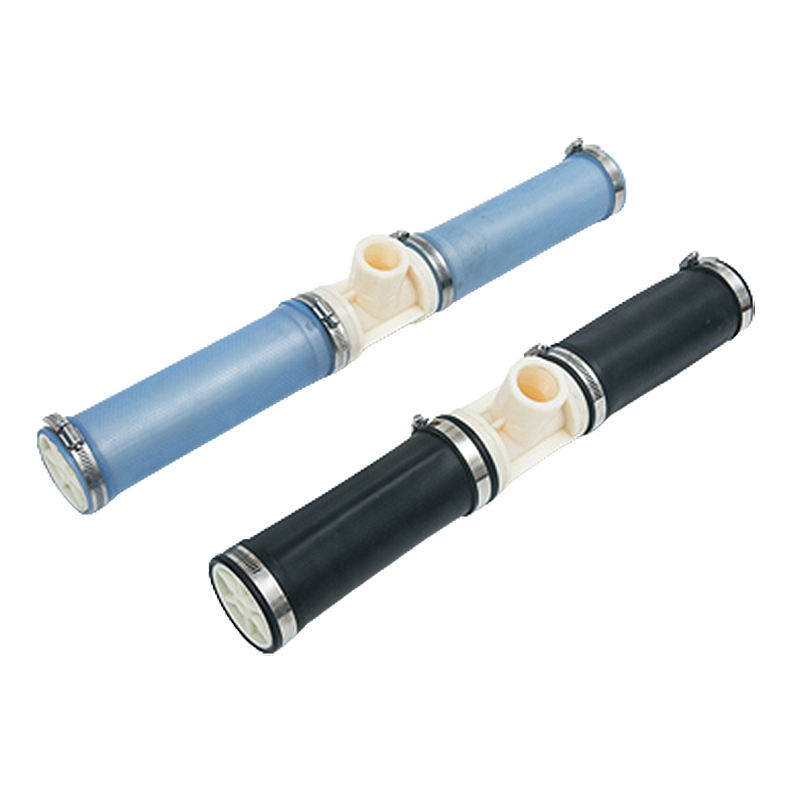
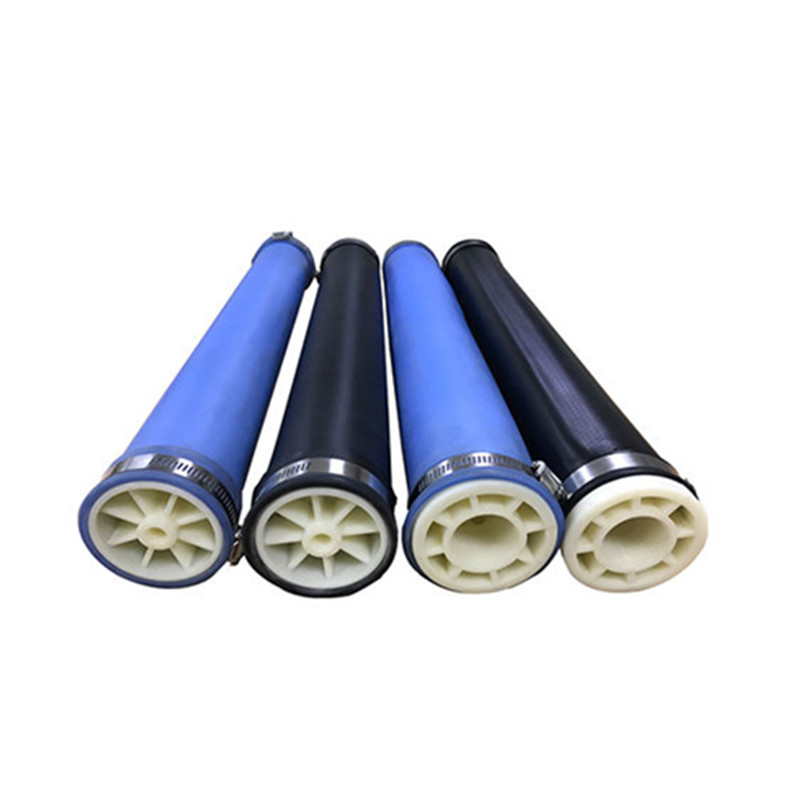
Tubular fine-bubble diffuser for municipal and industrial aeration tanks, MBBR systems, and aquaculture. Available with EPDM or silicone membranes; connection, length, airflow, and membrane material can be selected for the project.
FINE BUBBLE TUBE DIFFUSER
PRODUCT OVERVIEW
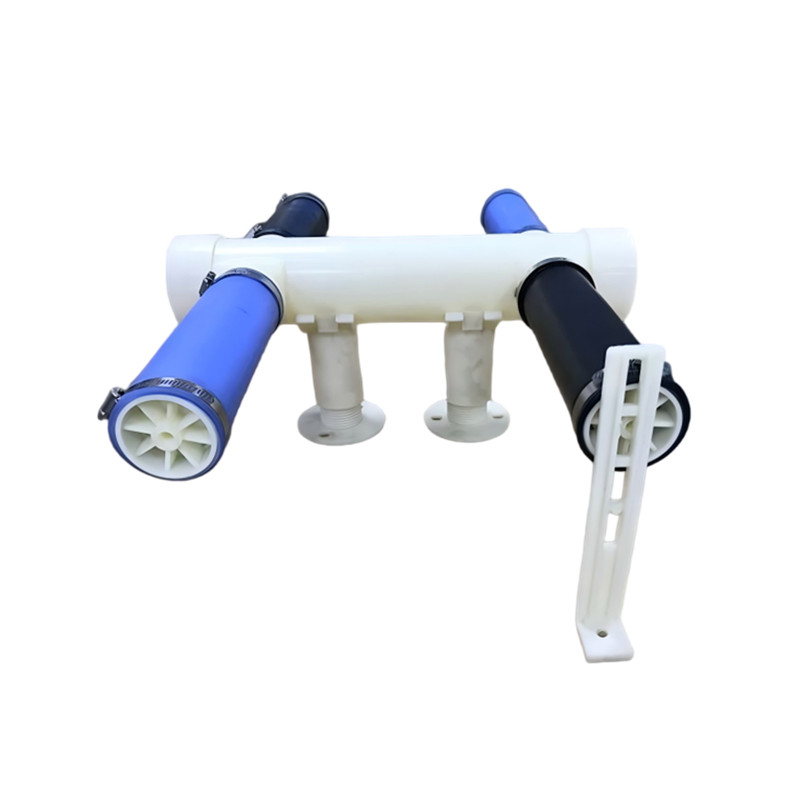
HydroNovus fine bubble tube diffusers distribute air through a perforated EPDM or silicone membrane to support oxygen transfer and tank mixing. The tubular format provides a large active membrane area and can be arranged in grids for municipal, industrial, MBBR, and aquaculture applications.
CORE FEATURES
• EPDM and silicone membrane options for different wastewater and temperature conditions.
• Fine-bubble distribution supports efficient oxygen transfer.
• Check-valve design helps reduce liquid entry when airflow stops.
• Replaceable membrane and serviceable diffuser components.
• Multiple lengths, connections, and air-capacity ranges are available.
• Grid layout can be adapted to tank geometry and maintenance access.
TECHNICAL PARAMETERS
Membrane options: EPDM or silicone
Body and support material: selected according to model and application
Bubble type: fine bubble
Connection: project-specific threaded or quick-connect options
Active length and airflow range: model dependent
Recommended operating airflow: confirm from the selected model curve
Installation: fixed grid, removable grid, or project-specific arrangement
Required blower pressure: calculated from water depth, pipe loss, and diffuser resistance
APPLICATION SCENARIOS
• Municipal activated-sludge aeration tanks
• MBBR and IFAS biological reactors
• Industrial wastewater treatment
• Equalization and aerobic treatment tanks
• Recirculating aquaculture systems
• Retrofit of existing aeration grids
SELECTION INFORMATION
Please provide tank dimensions, operating water depth, required oxygen demand or airflow, wastewater type, available blower data, pipe layout, membrane preference, and maintenance requirements. HydroNovus can then recommend diffuser quantity, spacing, connection type, and preliminary grid arrangement. Final oxygen-transfer design should be confirmed under actual process conditions.
FREQUENTLY ASKED QUESTIONS
Q: Should I select EPDM or silicone?
A: EPDM is widely used for conventional wastewater aeration. Silicone may be preferred for specific temperatures, wastewater chemistry, or ozone-related applications. Selection should be based on actual operating conditions.
Q: Can the diffuser be installed in an existing tank?
A: Yes, provided the tank layout, air header, blower capacity, operating depth, and access for installation and maintenance are checked.
Q: Why is airflow per diffuser important?
A: Operating too far outside the recommended range can reduce oxygen-transfer efficiency, increase pressure loss, or shorten membrane life. Diffuser quantity should be selected together with the blower and grid design.
Q: Can you provide a complete aeration layout?
A: We can provide a preliminary diffuser and piping recommendation after receiving tank and process data. Final system verification remains part of the project engineering scope.
REQUEST ENGINEERING SUPPORT
Send your tank drawing, water depth, required airflow or oxygen demand, wastewater type, and blower information. HydroNovus will prepare a diffuser selection and quotation.