Biological Treatment Media
PPC Hydrophilic Bio Sponge Media
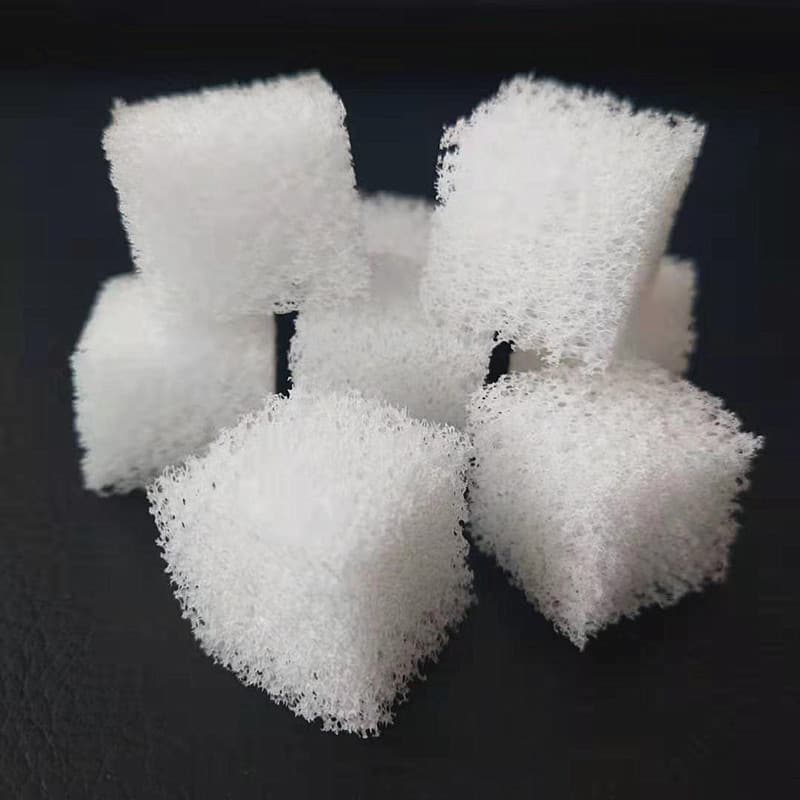
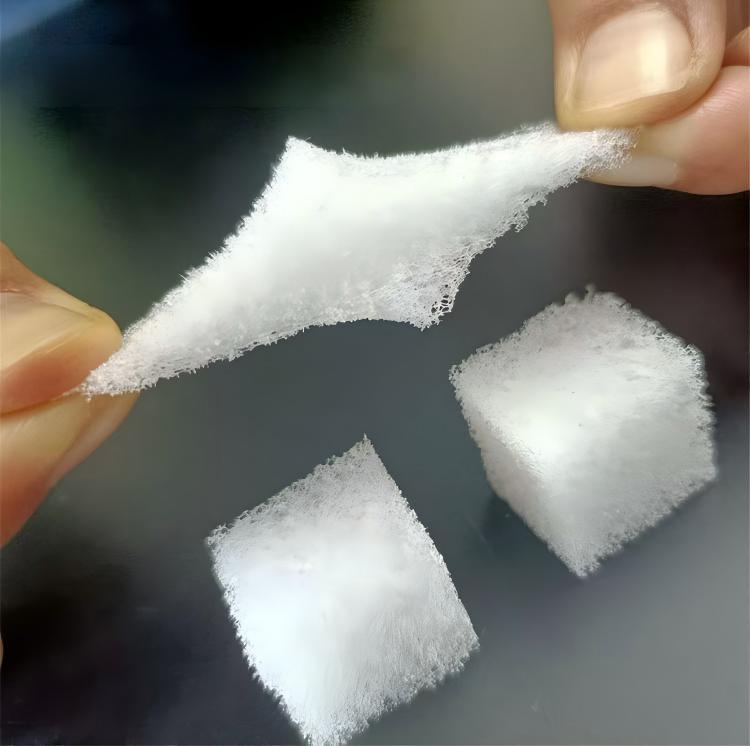
Open-cell polyurethane biofilm carrier for biological wastewater treatment and aquaculture. Its porous, compressible structure provides protected attachment space for microorganisms and is suitable for retrofit, MBBR, IFAS, and fixed-bed applications.
PPC HYDROPHILIC BIO SPONGE MEDIA
PRODUCT OVERVIEW
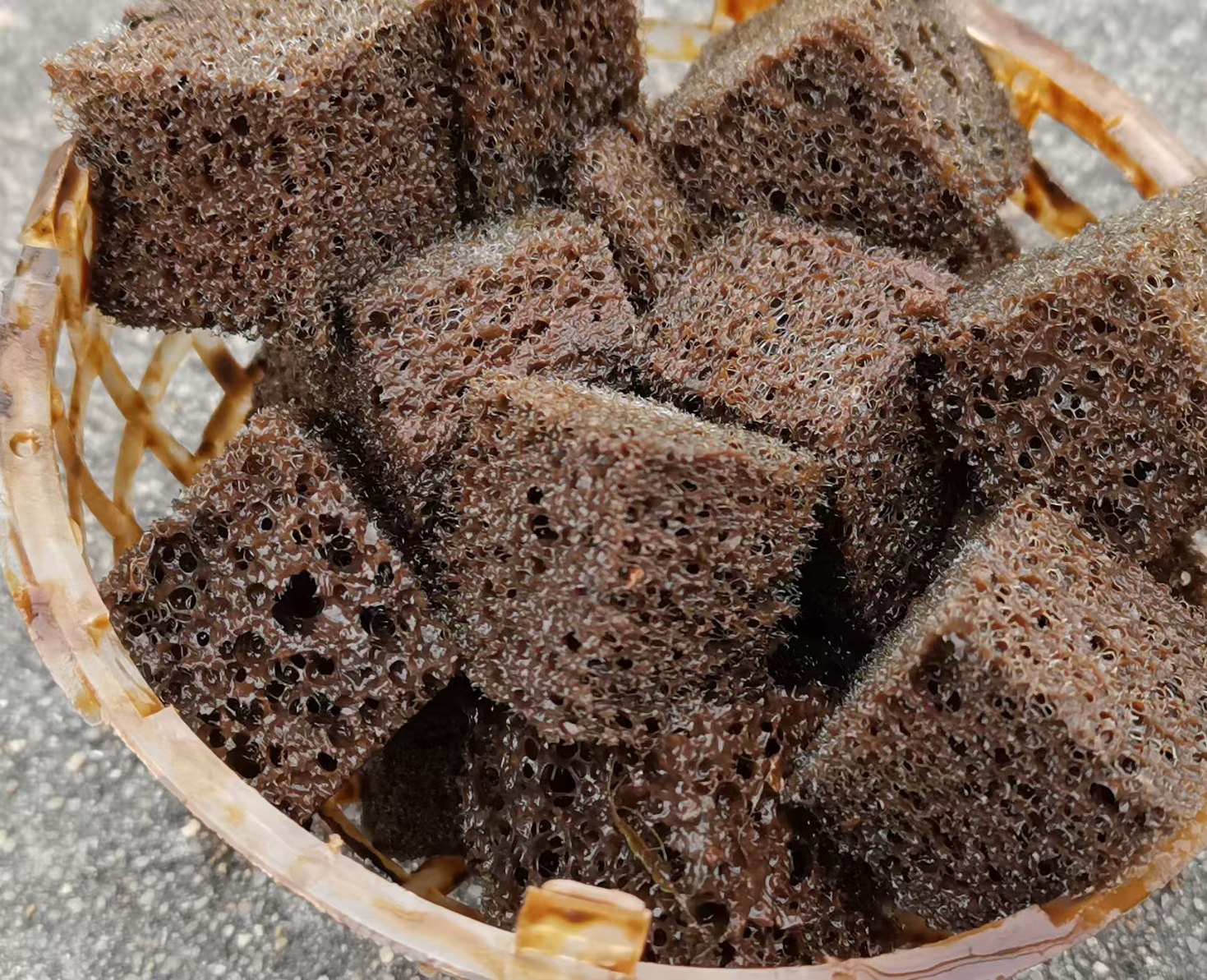
HydroNovus PPC bio sponge is an open-cell polyurethane carrier developed for attached-growth biological treatment. Its three-dimensional pore network provides protected space for microorganisms while allowing water, oxygen, and nutrients to move through the carrier. The media can be used in suspended, retained, or hybrid biological reactors.
CORE FEATURES
• Hydrophilic treatment supports rapid wetting and easier start-up.
• Open-cell structure provides protected biofilm attachment area.
• Elastic sponge structure tolerates repeated movement and compression.
• High porosity supports water exchange through the carrier.
• Suitable for both new systems and biological-treatment retrofits.
TECHNICAL PARAMETERS
Material: Polyurethane-based hydrophilic porous carrier
Standard size: 30 × 30 × 30 mm
Pore density: 20–25 PPI
Porosity: above 95%
Specific surface area: above 3,500 m²/m³
Bulk density: 17 ± 0.5 kg/m³
Typical filling ratio: 25–30%, subject to biological design
Recommended pH range: 6–10
Recommended water temperature: 1–50°C
Other sizes and pore structures: available after technical confirmation
APPLICATION SCENARIOS
• Municipal wastewater biological treatment
• Industrial wastewater with variable organic loading
• MBBR and IFAS reactor upgrades
• Recirculating aquaculture biofilters
• Packaged and decentralized treatment systems
• Nitrification and polishing stages
SELECTION INFORMATION
Please provide flow rate, influent and discharge data, tank dimensions, wastewater temperature, existing process, aeration capacity, and treatment objective. We will use this information to recommend media volume, filling ratio, carrier retention method, and preliminary operating conditions. Final process sizing should be reviewed by the project engineer.
FREQUENTLY ASKED QUESTIONS
Q: What is the difference between hydrophilic sponge and conventional PU sponge?
A: Hydrophilic treatment improves wetting behavior and can reduce the time required for the media to become fully wetted. The exact sinking and start-up behavior still depends on the selected grade and operating conditions.
Q: Is a larger surface-area number always better?
A: No. Usable protected area, water exchange, pore structure, oxygen transfer, shear conditions, and long-term resistance to clogging should be considered together.
Q: How much media should be filled into the tank?
A: A preliminary range is commonly selected from the treatment load and reactor configuration. HydroNovus typically evaluates 25–30% for this media, but the final ratio must be calculated for the project.
Q: Can samples be supplied?
A: Yes. Samples and technical data can be provided for wetting, density, pore-structure, and pilot evaluation.
REQUEST ENGINEERING SUPPORT
Send your wastewater data, tank dimensions, treatment target, and required quantity. HydroNovus will prepare a preliminary media recommendation, packing proposal, and quotation.