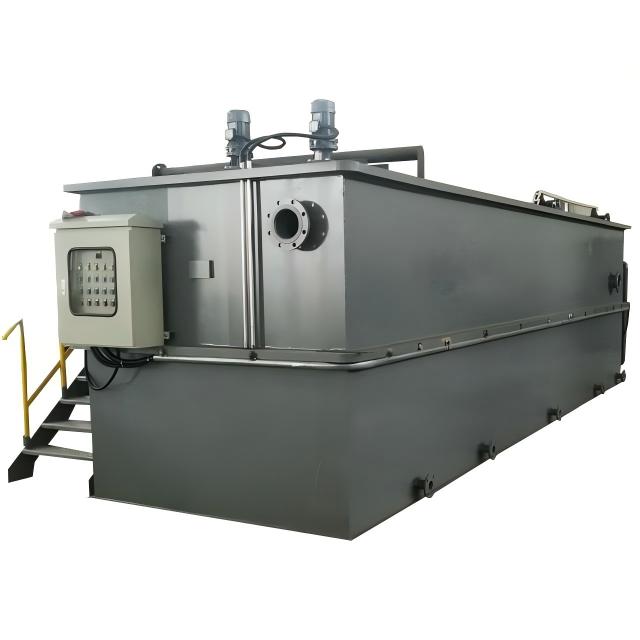
DAF Before MBBR: When Industrial Wastewater Needs Solids and FOG Pretreatment First
Should DAF come before MBBR? Use this checklist to decide when solids, FOG and variable industrial loads need pretreatment before biological treatment.
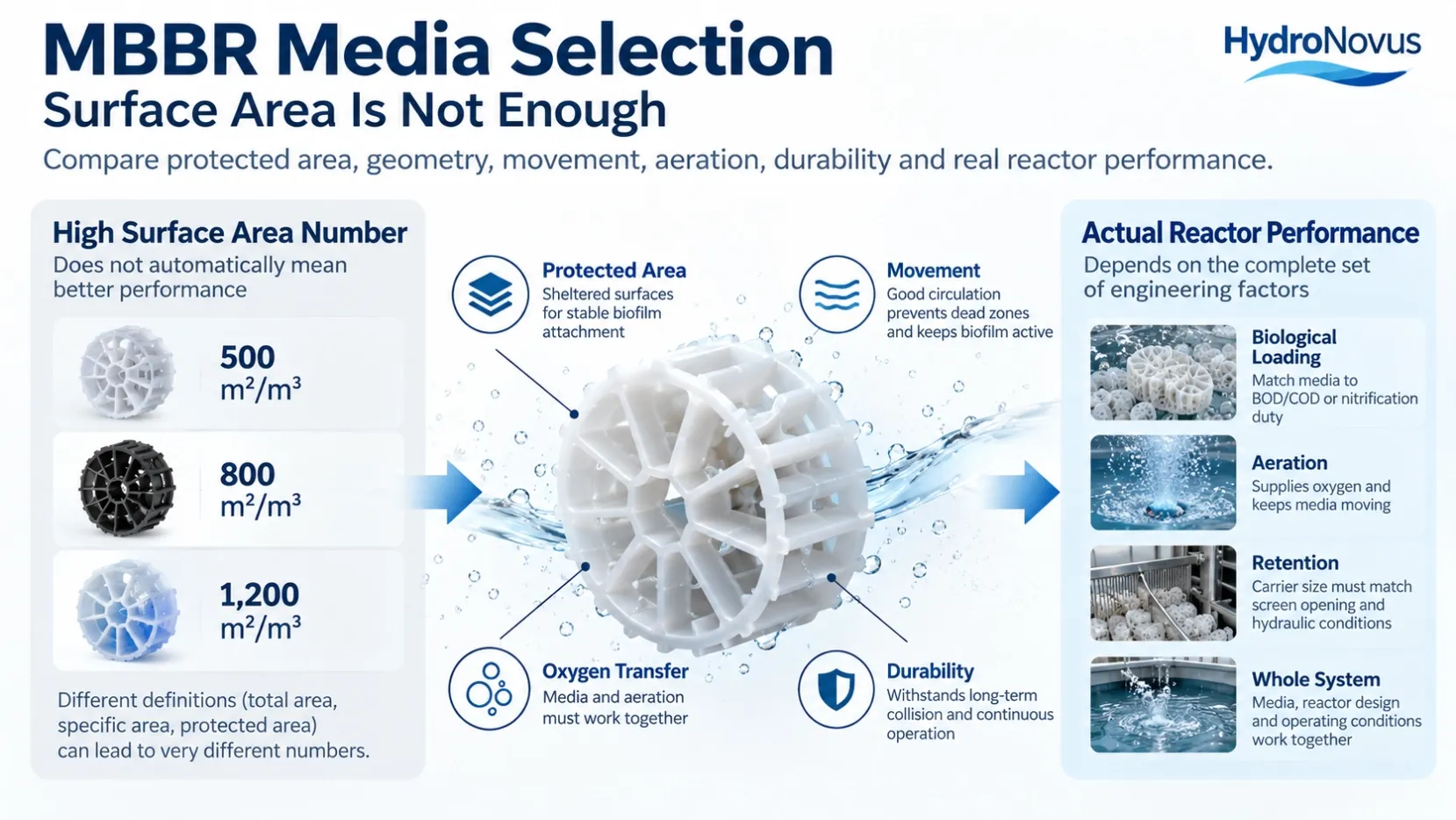
Ammonia rising after an MBBR capacity increase? Use this troubleshooting workflow to separate load, oxygen, alkalinity, mixing and media limitations.

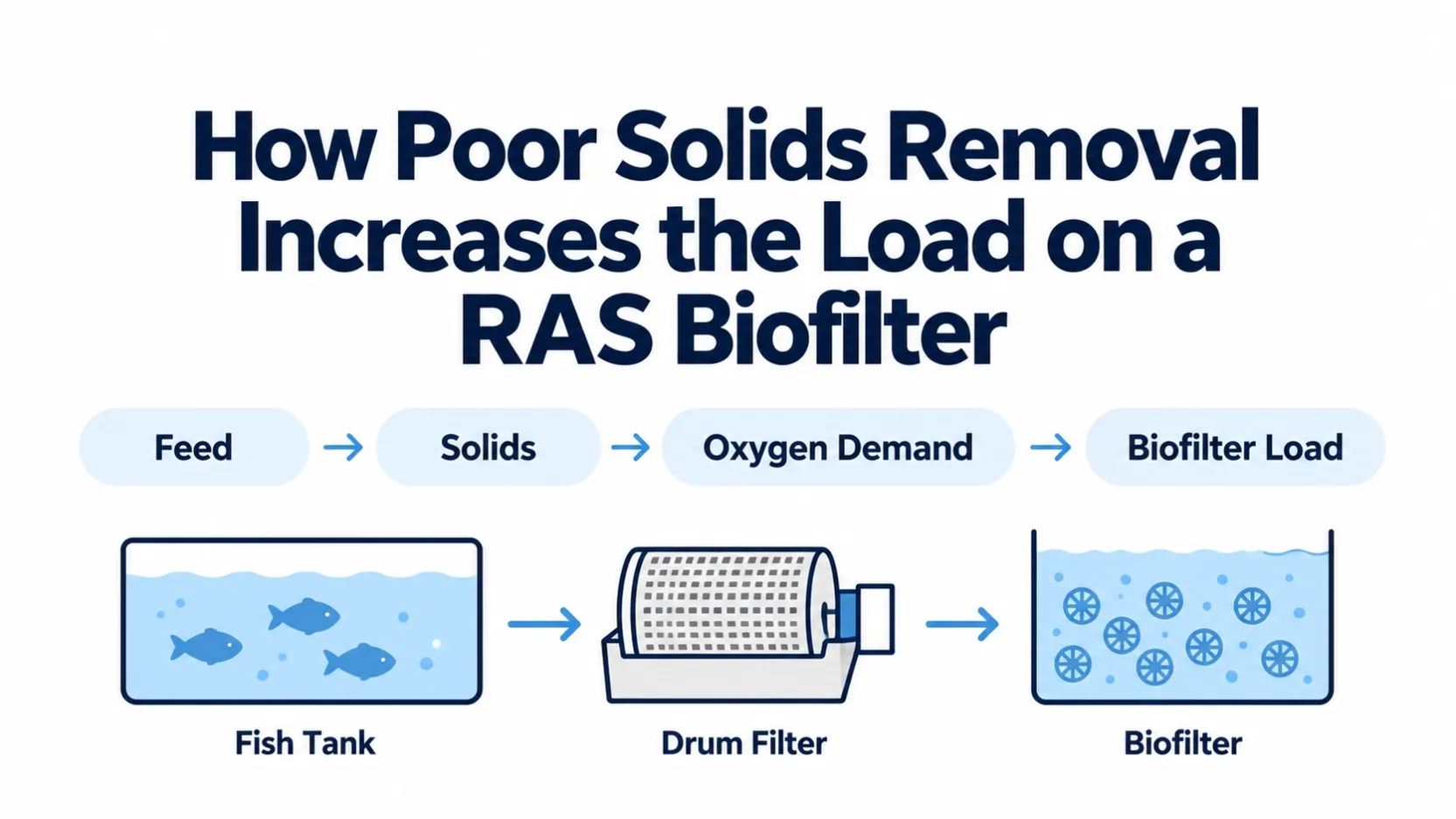
Use this practical RAS biofilter troubleshooting workflow to separate solids, oxygen, flow, biological load and biofilm problems before changing media or equipment.

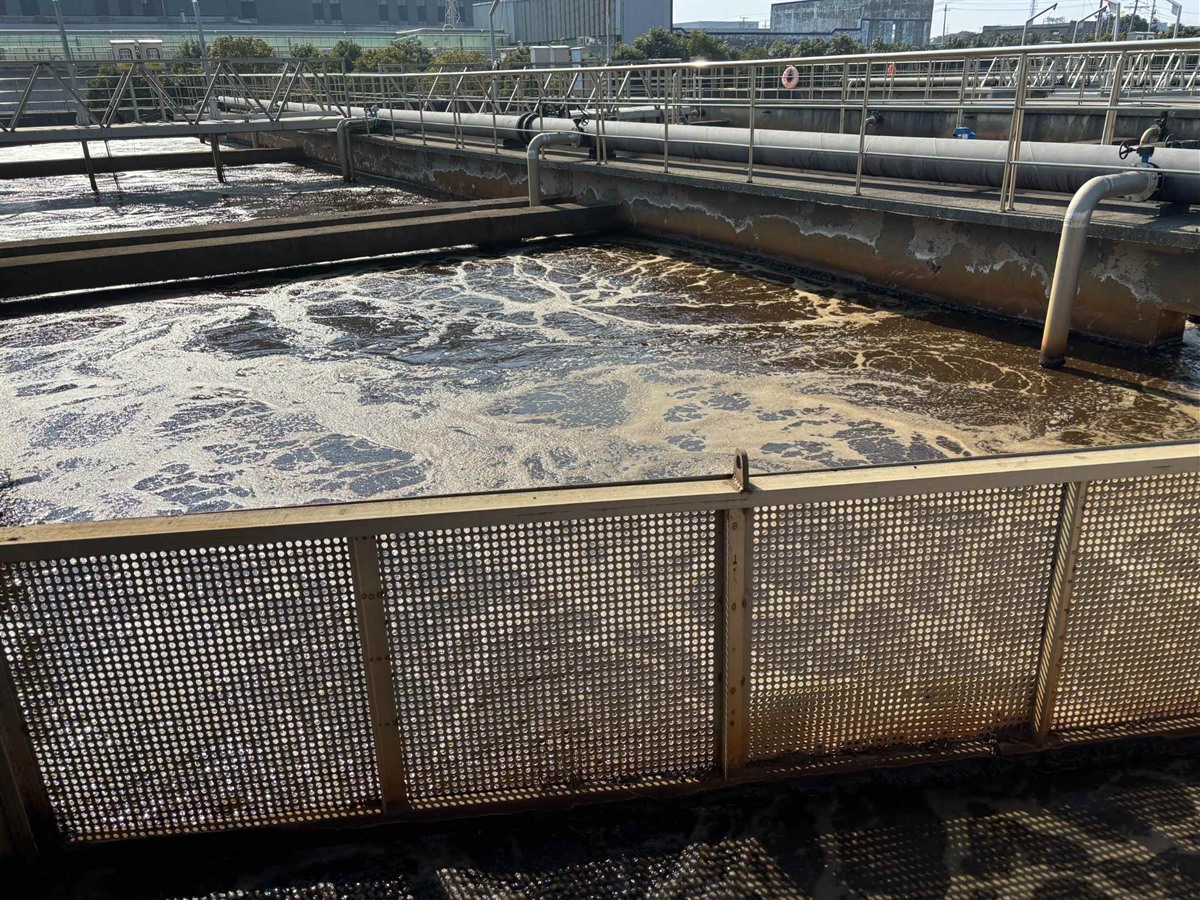
Before increasing MBBR capacity, identify the actual bottleneck. Use this practical data checklist to review biological load, reactor volume, media, aeration, hydraulics and downstream constraints.

A practical RAS biofilter stability guide covering load changes, solids carryover, oxygen, mixing, media condition and an operator troubleshooting sequence.

Learn what flow, TSS, oil and grease, chemistry and sludge data are required before sizing a DAF system for industrial wastewater—and why flow rate alone is not enough.

Learn when liftable diffuser grids can simplify inspection and replacement in wastewater-treatment tanks, and what engineers should check before a retrofit.

Learn how feed rate, peak production load, particle size, recirculation flow and solids characteristics affect drum-filter selection and downstream RAS biofilter sizing.

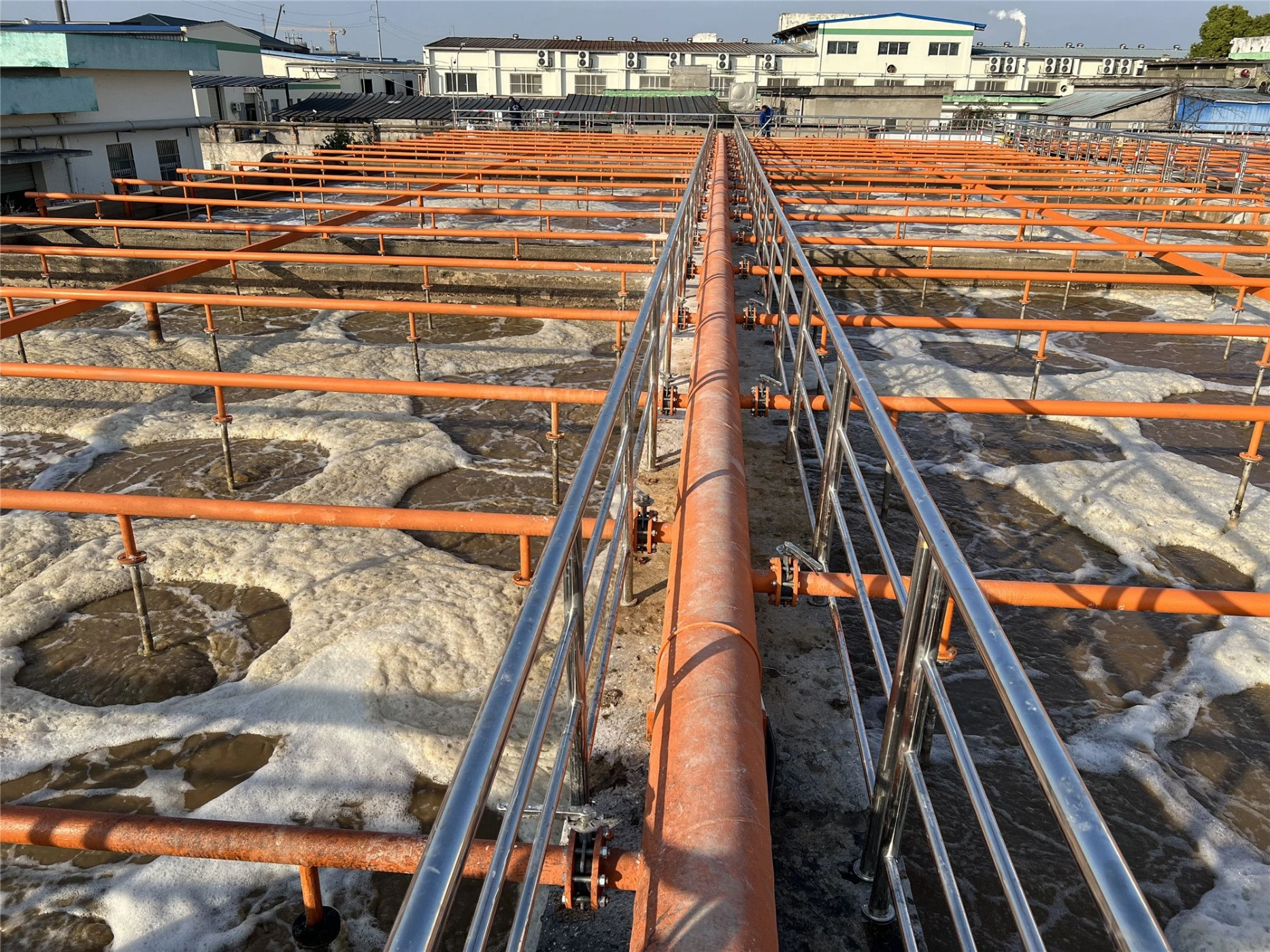
An existing wastewater plant needed more treatment capacity within a limited footprint. An MBBR upgrade was used to increase biological treatment capacity and support stricter discharge requirements.

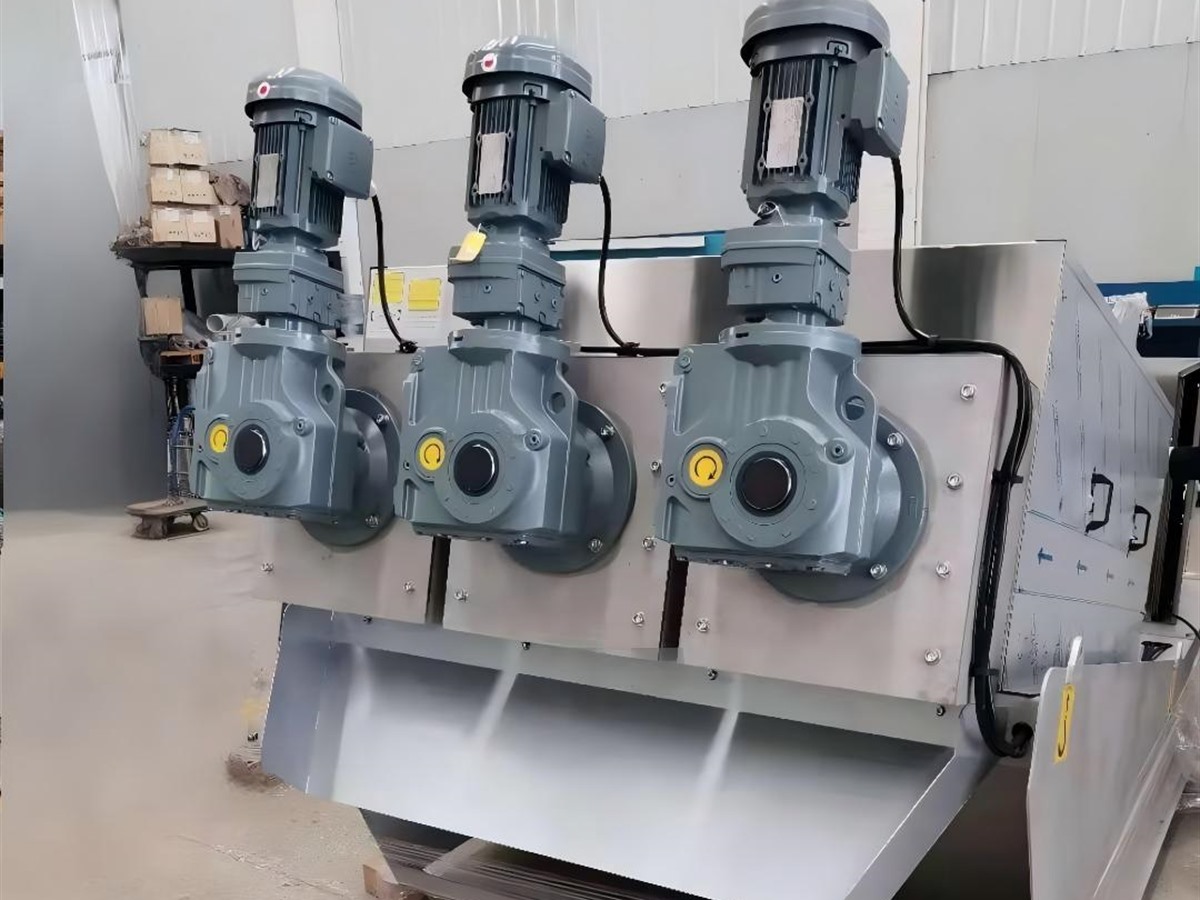
A palm oil mill needed reliable dewatering for oily POME sludge. The project used a screw press system to reduce sludge volume and improve downstream solids handling.